A taxonomy gives everything an address.
It organizes the field into clear classes such as source water, treatment, distribution, collection, and recovery.
Preserve expertise, connect approved evidence, and give every person or organization a source-backed intelligence system they own. The avatar is the front door. The Soul, Brain, and knowledge graph are the proof behind it.
You do not need to learn the architecture before you receive value. Choose the outcome and One Water configures the governed path.
Capture the judgment, stories, methods, and voice only you carry.
For individuals and public experts 02Build a shared brainConnect partners and teams without blending identity, consent, or attribution.
For couples, partners, and teams 03Protect organization knowledgeReduce knowledge loss, repeated questions, and onboarding time.
For utilities and institutions 04Publish a trusted expertGive a website or audience a source-backed front door with clear boundaries.
For experts, brands, and organizationsEvery intelligence system carries a visible readiness score, source health, ownership, consent, answer boundaries, and a human release decision.
The current brain identifies three procedures, two decision histories, and one undocumented operating judgment that requires expert review.
Drinking water, wastewater, stormwater, groundwater, policy, operations, engineering, finance, and public service became separate languages. The separation produced thousands of systems and millions of records. The data is not the first thing that became fragmented. The people did.
One Water Operating System reconnects the meaning across those boundaries. It gives every source, person, asset, rule, method, and decision a place in one governed structure.
A search box finds words. A knowledge graph keeps the relationships behind the words. That difference lets AI answer a water question with context instead of confidence alone.
Which assets, regulations, people, and past decisions affect this failure?
6 relationship paths foundIt organizes the field into clear classes such as source water, treatment, distribution, collection, and recovery.
It records that a pump serves a pressure zone, a permit governs a discharge, a person approved a plan, and a source supports a claim.
It lets a person or an avatar walk those relationships, retrieve permitted evidence, and show the trail behind an answer.
Each layer has one job. Together they turn scattered expertise into an intelligence system people can inspect and trust.
The shared structure for entities, relationships, evidence, provenance, and permissions across One Water.
The governed workspace where a person builds a trusted brain from sources they control.
The personal operating layer for voice, principles, memory, projects, releases, and ownership.
The human interface to an approved brain. Public when you choose. Private when the work must stay private.
Choose a screen, ask a real question, and watch the same governed knowledge move from evidence to graph to answer. The interface changes size. The permission and source trail do not.
Pump 14 has three recent seal failures. The approved maintenance procedure requires vibration review before the next work order is closed.
An operator can scan the situation, hear a source-backed answer, and open the exact records without carrying a laptop into the field.
This is a working interface simulation. It demonstrates interaction and responsive behavior without exposing a member's private data.
An avatar should not pretend to know everything. It should know whose knowledge it represents, which sources it can use, and where its permission ends.
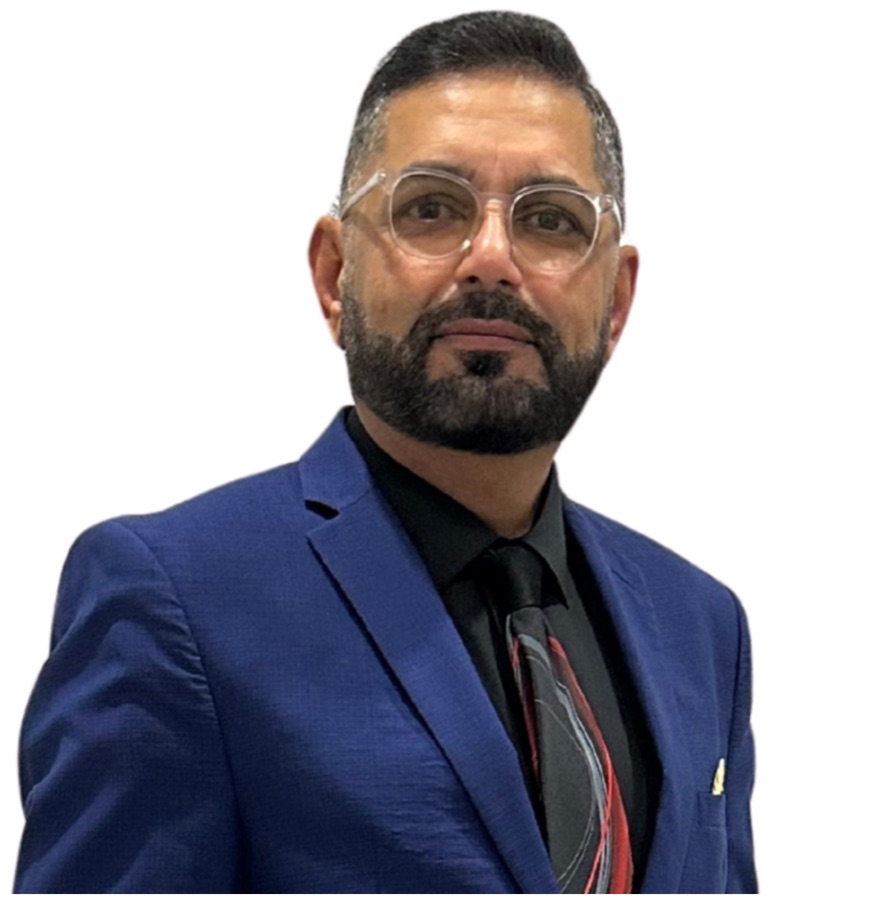
Water practice, systems thinking, and the One Water operating model.
Public + private brainA distinct brain with its own sources, permissions, and contribution to the larger graph.
Owner-controlled brainThe governed technology that connects the brains, graph, permissions, and avatars.
System infrastructureIndividuals, couples, teams, and organizations use the same governed lifecycle. Identity remains distinct. Evidence connects only through named permissions, stewards, and release decisions.
Design your intelligence system →The founding course turns AI, terminals, knowledge graphs, ontology, SoulOS, and Brain Studio into one applied program. Founding 100 members receive the first course at no added charge when enrollment opens.
Understand what AI can do, what evidence it needs, where human approval belongs, and how a knowledge graph changes the quality of an answer.
Use AI with evidence, ownership, and a clear human gate.
Install, inspect, update, and recover without guessing.
Connect entities, relationships, sources, and permissions.
Give the water sector a shared language without erasing local meaning.
Turn voice, principles, memory, and work into a portable system.
Build a governed brain and release a source-backed avatar.
The program is being prepared for continuing education credit and academic partner recognition. Credits, seals, and partner marks will appear only after written provider and university approval.
A separate public-interest license will make the system more accessible to public agencies, qualified nonprofits, colleges, universities, students, and researchers.
Public-interest licensing is planned through One Water Foundation. When it opens, 100% of proceeds from government and academia sales will be directed to the nonprofit.
The first 100 members will enter close to the build, test the system, and help set the standard for what trusted, connected AI should look like in water.